
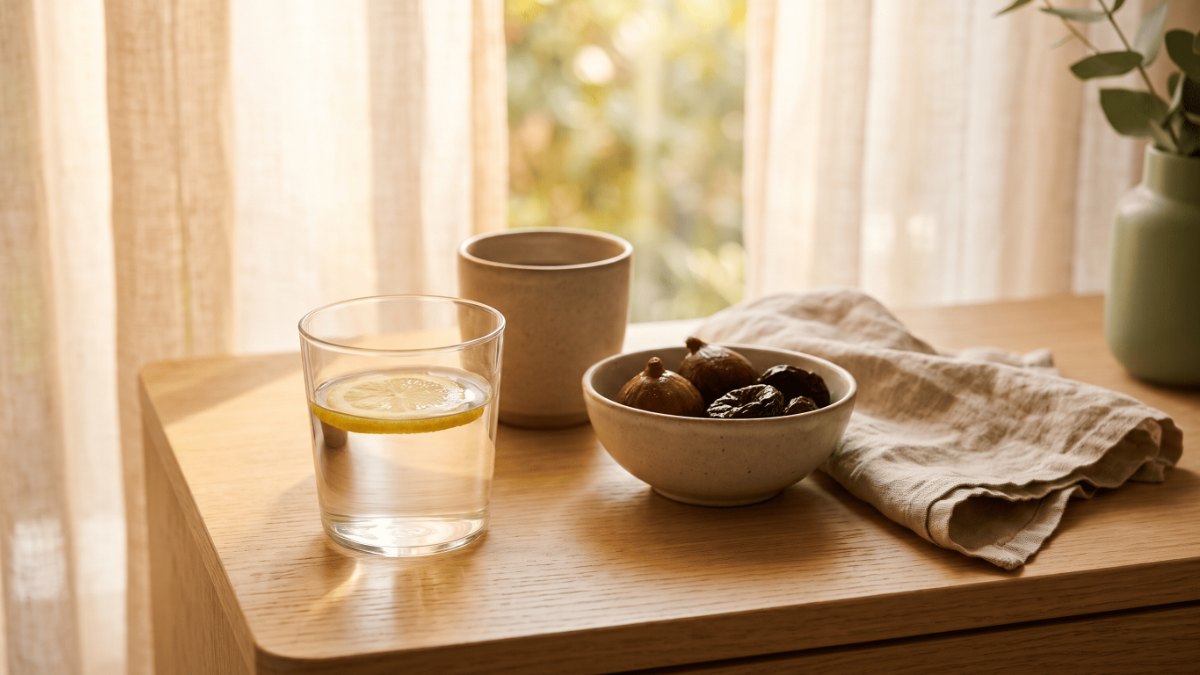
Quick answer: The gastrocolic reflex is your body’s natural signal to empty the bowels after eating or drinking. It is strongest in the morning, because colon activity rises sharply when you wake up. To make use of it: drink warm water on waking, eat regular meals with whole grains and pulses, finish dinner by 8 pm, take a gentle walk, set aside 15–20 unhurried minutes each morning and go at the same time daily.
By Janvi Chitalia, Gut Health & Functional Medicine Nutritionist · Last updated: 26 November 2026
As a gut nutritionist, I always emphasise the importance of regular bowel movements for digestive health. One of the most useful, and least talked about, tools for getting there is the gastrocolic reflex. Understanding how it works can turn a frustrating morning into a simple, reliable routine.
Key takeaways
- The gastrocolic reflex moves stool along the colon after you eat or drink, creating the urge to go.
- It is strongest in the morning, so that is the best time for a complete bowel movement.
- Warm water, regular meals, fibre from whole grains and pulses, and an early dinner all support it.
- Rushing, straining and intense early workouts can work against it.
- Going at the same time every day trains your bowels into a routine.
What is the gastrocolic reflex?
The gastrocolic reflex happens when your stomach stretches in response to food or fluids. This triggers a wave of activity in the colon that moves stool through the digestive tract and eventually gives you the urge to go.
It is a normal, healthy reflex. When you work with it rather than against it, bowel movements become easier, more complete and more regular.
Why is morning the best time to go?
Most people don’t realise that a morning bowel movement isn’t just convenient. It is the time when your gut is most primed to empty fully. A 24-hour study of colon activity in healthy adults found that it is minimal during sleep and increases significantly on waking and after meals (Gut, 1987).
A good, consistent morning bowel movement sets the tone for better digestion and comfort through the rest of the day. If your mornings rarely feel complete, it may also be one of the signs your gut is getting disturbed.
How can I make the most of my gastrocolic reflex?
- Drink warm water first thing in the morning. A glass of warm water soon after waking gently stimulates the digestive system and helps get things moving.
- Eat whole grains and pulses daily. Whole grains and pulses add bulk to stool. Having them at least twice a day helps form a soft, well-formed stool that is easier to pass, and the fibre supports long-term gut health. For more ideas, see these foods that help with constipation.
- Finish your last meal by 8 pm and keep meal times regular. An earlier dinner gives your body time to digest overnight, improving motility in the morning. A consistent meal schedule supports your natural rhythms.
- Set aside time in the morning. A rushed morning can suppress the natural urge. Build 15–20 relaxed minutes into your routine so your body can respond to its cues.
- Wait for the urge, and don’t strain. Let your body signal when it is ready. Pushing or straining can lead to problems like haemorrhoids or incomplete emptying.
- Walk instead of an intense morning workout. If you exercise first thing, try a brisk walk instead of high-intensity training. Gentle movement stimulates the gut and makes a complete bowel movement more likely.
- Train your bowels. If you struggle with irregularity, sit on the toilet at the same time every morning. Over time, your body adapts to the schedule.
- Use evening motility support only with guidance. If constipation is a long-standing problem, an evening motility aid can help soften and move stool overnight so the morning is easier. Choose one with your nutritionist or doctor rather than on your own.
A simple morning routine for regular bowel movements
| When | What to do | Why it helps |
|---|---|---|
| The night before | Finish dinner by 8 pm | Gives the gut time to digest overnight |
| On waking | A glass of warm water | Gently wakes up the digestive system |
| Within the first hour | Breakfast at a regular time | Eating switches on the gastrocolic reflex |
| After breakfast | A 10–15 minute brisk walk | Movement stimulates the bowel |
| Same time daily | 15–20 unhurried minutes in the bathroom, no straining | Builds a reliable routine |
When should I see a doctor?
See a doctor if you notice blood in your stool or black stools, unexplained weight loss, severe or persistent tummy pain, a change in bowel habits lasting more than three weeks, or constipation that does not improve with diet and routine changes. If urgency after meals comes with pain or loose stools, read about IBS and gut health.
Frequently asked questions
What is the gastrocolic reflex?
The gastrocolic reflex is the body’s natural response to eating or drinking. When the stomach stretches with food or fluid, it signals the colon to contract and move stool along, which creates the urge to have a bowel movement.
Why do I need to poop right after eating?
Needing to go soon after a meal is the gastrocolic reflex at work and is normal. If the urge is sudden, painful, comes with loose stools or happens after most meals, it may point to IBS or another gut issue and is worth getting checked.
Is it better to have a bowel movement in the morning?
For most people, yes. Colon activity is lowest during sleep and rises sharply on waking and after meals, so the morning, especially after a warm drink or breakfast, is when a complete bowel movement is easiest.
How can I trigger a bowel movement naturally in the morning?
Drink a glass of warm water soon after waking, have breakfast at a regular time, take a short brisk walk, and give yourself 15–20 unhurried minutes. Going at the same time every day helps train the habit.
When should I see a doctor about constipation or bowel changes?
See a doctor if you notice blood in your stool or black stools, unexplained weight loss, severe or persistent tummy pain, a change in bowel habits lasting more than three weeks, or constipation that does not improve with diet and routine changes.
Related reading: Gas, bloating and acid reflux: causes and relief
Still struggling with irregular or incomplete bowel movements? A root-cause gut health consultation can find what is slowing things down and build a routine that works for your body. I see clients online across India and worldwide, and in-clinic in Mumbai.
Book a consultation → or explore my gut health services.
About the author: Janvi Chitalia is an integrative gut microbiome health coach and functional medicine nutritionist, trained with the Institute for Integrative Nutrition (New York) and in functional medicine, with a PG Diploma in Weight Management (University of Chester) and a Fellowship in Clinical Nutrition (Apollo).
This article is for general information and is not a substitute for medical advice. Please consult your doctor for diagnosis and treatment.





Leave A Comment